
Attraction
Halmyris Fortress
Halmyris is a Roman and Roman-Byzantine fortress on the edge of the Danube Delta, about 2 km south-east of Murighiol village. It was inhabited from the 4th century BC to the early 7th century AD, and in 2001 the remains of the martyrs Epictetus and Astion were found in the crypt of its basilica.
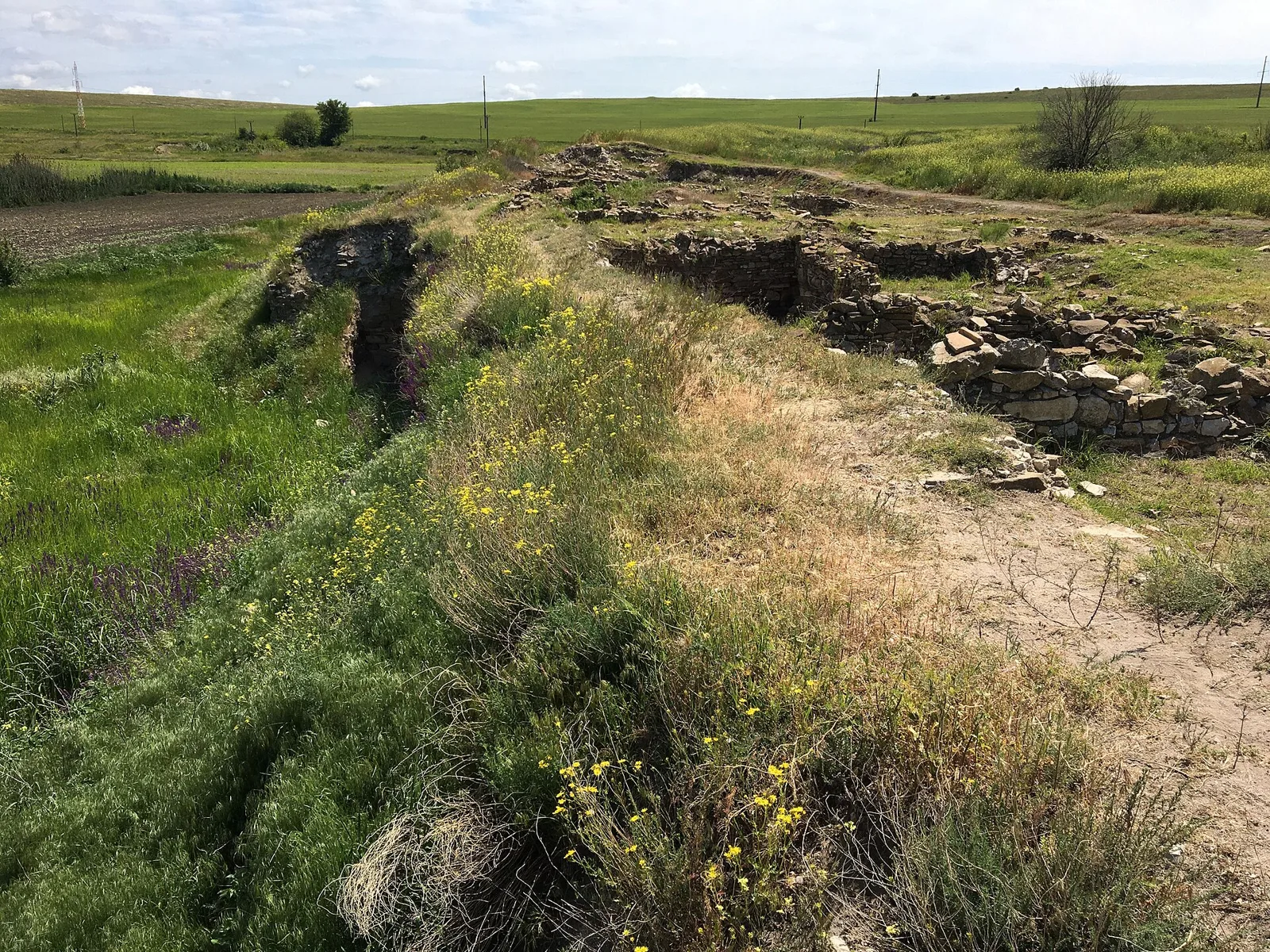
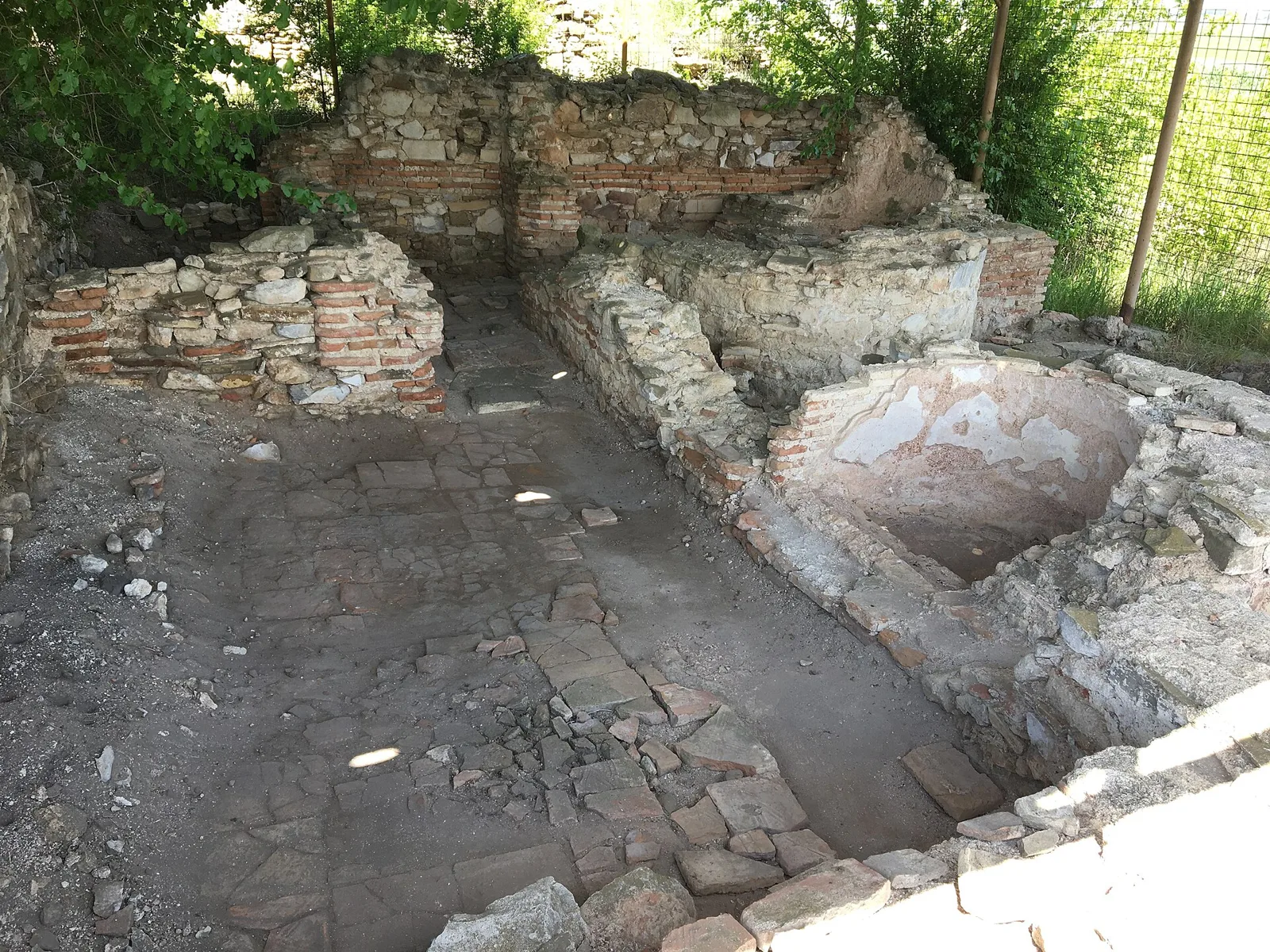
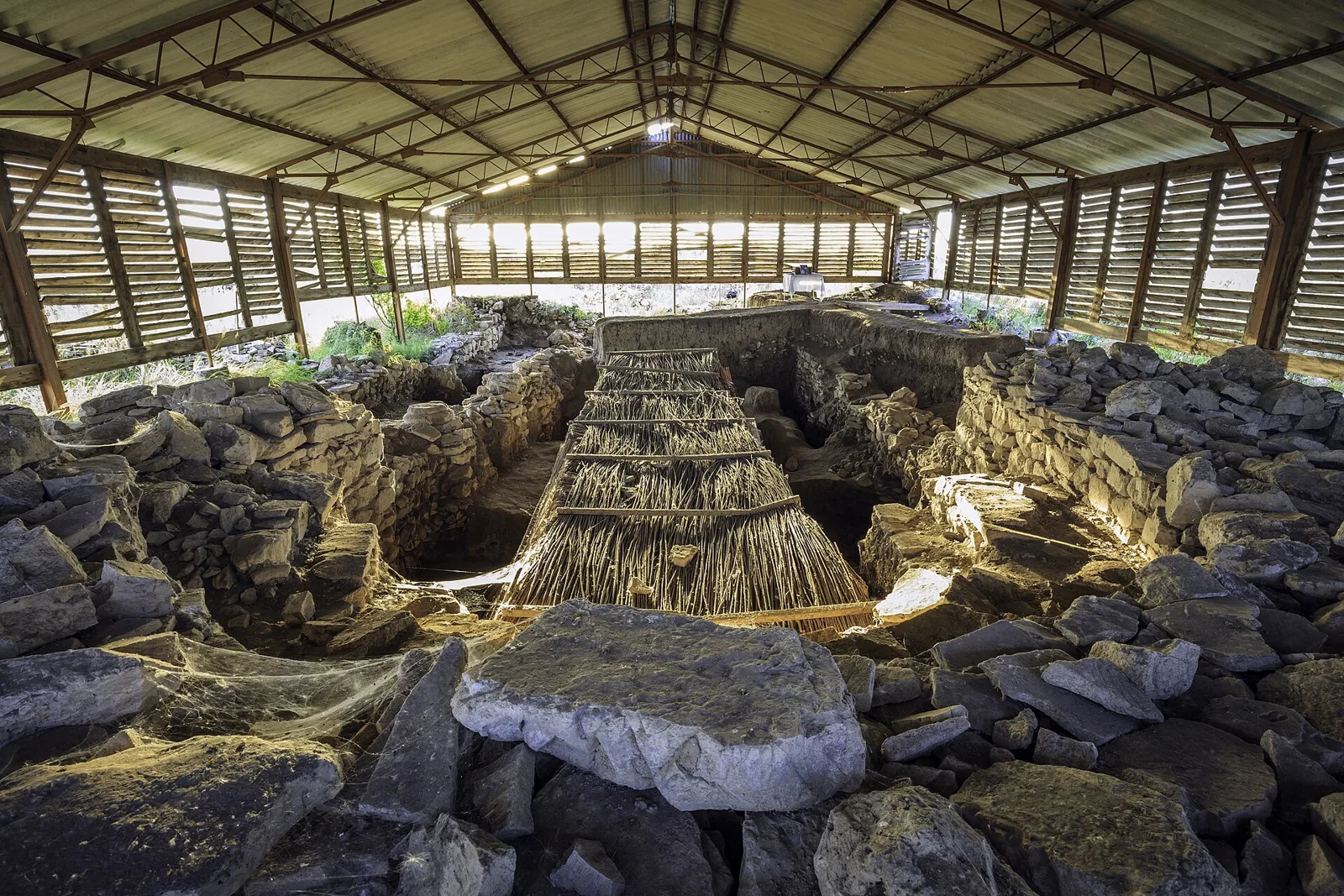
Foto: Rjdeadly, CC BY 4.0, via Wikimedia Commons Galerie: Rjdeadly, CC BY 4.0, via Wikimedia Commons; Cucospetrudaniel, CC BY-SA 3.0 ro, via Wikimedia Commons
Halmyris Fortress lies on the territory of Murighiol village, in Murighiol commune, Tulcea County, about 1.6 km south-east of the village and 50 m north of the Murighiol to Dunavățu de Sus county road. The Sfântu Gheorghe branch of the Danube now flows about 1.5 km north of the ruins. In antiquity the fortress stood on a rocky promontory on the bank of the Danube, close to the Black Sea, and was the easternmost point of the Roman Empire's Danube frontier.
The area was already inhabited in the Second Iron Age: a Getic necropolis of the 4th to 2nd centuries BC was excavated next to the fortress. The first Roman fort, of timber and earth, was rebuilt in stone under Trajan by detachments of the legions I Italica and XI Claudia. After a Gothic attack, the fortress was rebuilt during the Tetrarchy as an irregular polygon with 15 towers and at least two gates, to the north and west. Halmyris probably served as a supply base for the Roman Danube fleet (Classis Flavia Moesica), and in late antiquity it became one of the bishoprics of the province of Scythia. Earthquakes and the shifting course of the Danube, which silted up the harbour, reduced its importance; the fortress remained in use until the early 7th century. Archaeological research began in 1981 under Mihail Zahariade; from 2010 to 2019 the excavations were led by Mihail Zahariade and John Karavas.
Today visitors can see the eastern walls and towers, the west and north gates, the 4th-century baths with three pools, the soldiers' barracks and the early Christian basilica with its crypt, built after 324. On 15 August 2001 the remains of the priest Epictetus and the monk Astion, martyred in 290, were found in the crypt of this basilica. Next to the ruins stands Halmyris Monastery, whose foundation stone was laid on 8 July 2002. The site is reached by car from Tulcea, via Mahmudia, to Murighiol, then along the road to Dunavățu de Jos; the fortress and the monastery are on the left of the road, 1.5 to 2 km after leaving the village.
The "Halmyris Fortress" archaeological site is a category A historic monument, LMI code TL-I-s-A-05844 (RAN code 160920.02), with three components: the fortress, the civilian settlement and the necropolis. The fortress is also listed in Law no. 5/2000 on protected areas (Roman forts with their civilian settlements and Roman-Byzantine fortifications).
Did you know that an inscription found at Halmyris mentions a "sailors' village" (vicus classicorum)? It was inhabited by former sailors of the Roman Danube fleet, and no similar mention is known from anywhere else in the Roman Empire.
La circa 1,6 km sud-est de satul Murighiol, pe drumul spre Dunavățu de Jos, comuna Murighiol, județul Tulcea