
Attraction
Enisala Fortress
Enisala Fortress is the only medieval fortress in Dobrogea that can be visited today. It was built by Genoese merchants in the second half of the 14th century on a limestone hill formed during the Jurassic period, 2 km from the village of the same name, in Tulcea County. Constructed at a time when Lake Razim was still a bay of the Black Sea, the fortress commanded naval and commercial traffic towards the mouths of the Danube from its elevated position. Over the centuries it has borne the names Yeni-Sale, Pambola and Heracleea, and its current name derives from the Turkish Yeni-Sale — meaning "New Village" — identical to the Roman inscription Vicus Novus discovered in the area.
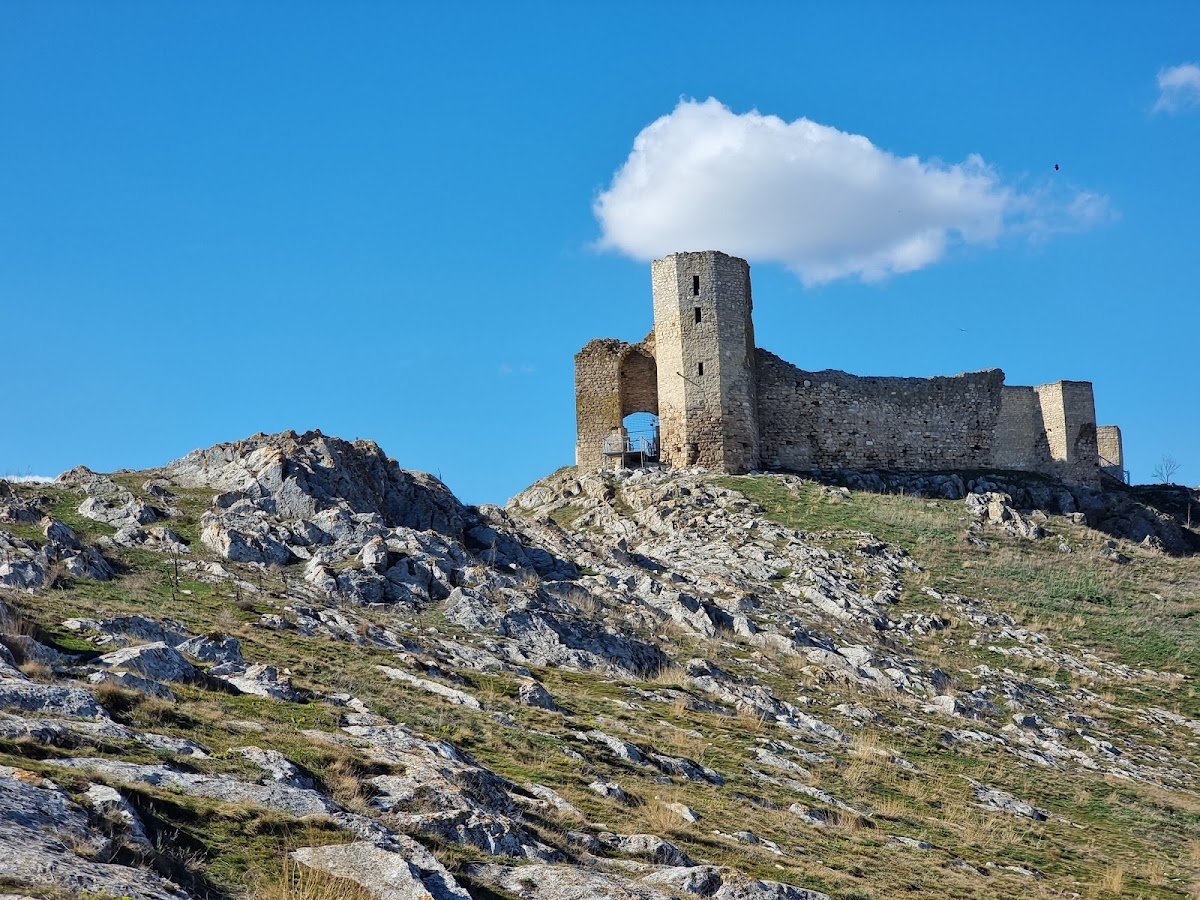
Enisala Fortress is the only medieval fortress in Dobrogea to have survived to the present day in a visitable condition. It stands on Dealul Gras, a limestone promontory formed during the Jurassic period, 2 km from the village of Enisala, near the town of Babadag, in Tulcea County. It was built by Genoese merchants in the second half of the 14th century, at a time when Genoa held a monopoly over navigation on the Black Sea. One remarkable detail: at the time of its construction, Lake Razim did not yet exist — the area was an open bay of the Black Sea, and the fortress stood at the water's edge, directly commanding naval traffic. The gradual formation of sandbanks that separated the bay from the sea transformed the fortress over time from a maritime stronghold into an inland one. The fortress was part of a chain of Genoese colonies that included Chilia, Likostomion, Cetatea Albă and Caffa in Crimea. At the base of the hill, the remains of a wooden jetty were discovered. Between 1397 and 1418, during the reign of Mircea cel Bătrân, the fortress was incorporated into the defensive system of Țara Românească. Following the Ottoman conquest of Dobrogea in 1419–1420, it housed a Turkish military garrison. Over the centuries it bore several names: Yeni-Sale and Pambola in Genoese portolans, and Heracleea in Byzantine chronicles — though the latter lacks solid documentary confirmation. Its current name derives from the Turkish Yeni-Sale, meaning "New Village", identical to the Roman inscription Vicus Novus discovered in the area, suggesting a toponymic continuity of two millennia. The fortress survived the Peace of Adrianople of 1829, which ordered the destruction of all fortresses garrisoned by Turkish troops. It is well worth visiting for its exceptional panoramic views over Lake Razim and Lake Babadag, and for its unique historical layering within Dobrogea.
Enisala judetul Tulcea