
Attraction
Cetatea Ciceului
Cetatea Ciceului is a medieval fortress situated on a volcanic hill at an altitude of 683 m, in the commune of Ciceu-Mihăiești, Bistrița-Năsăud County, first documented in 1304. Built at the end of the 13th century as a strategic stronghold, the fortress was the centre of a vast feudal domain and, towards the end of the 15th century, came under the rule of the princes of Moldavia, from Ștefan cel Mare to Petru Rareș, who took refuge here in 1538. Dismantled in 1544 on the orders of Gheorghe Martinuzzi, the fortress survives today as ruins, listed as a historical monument.
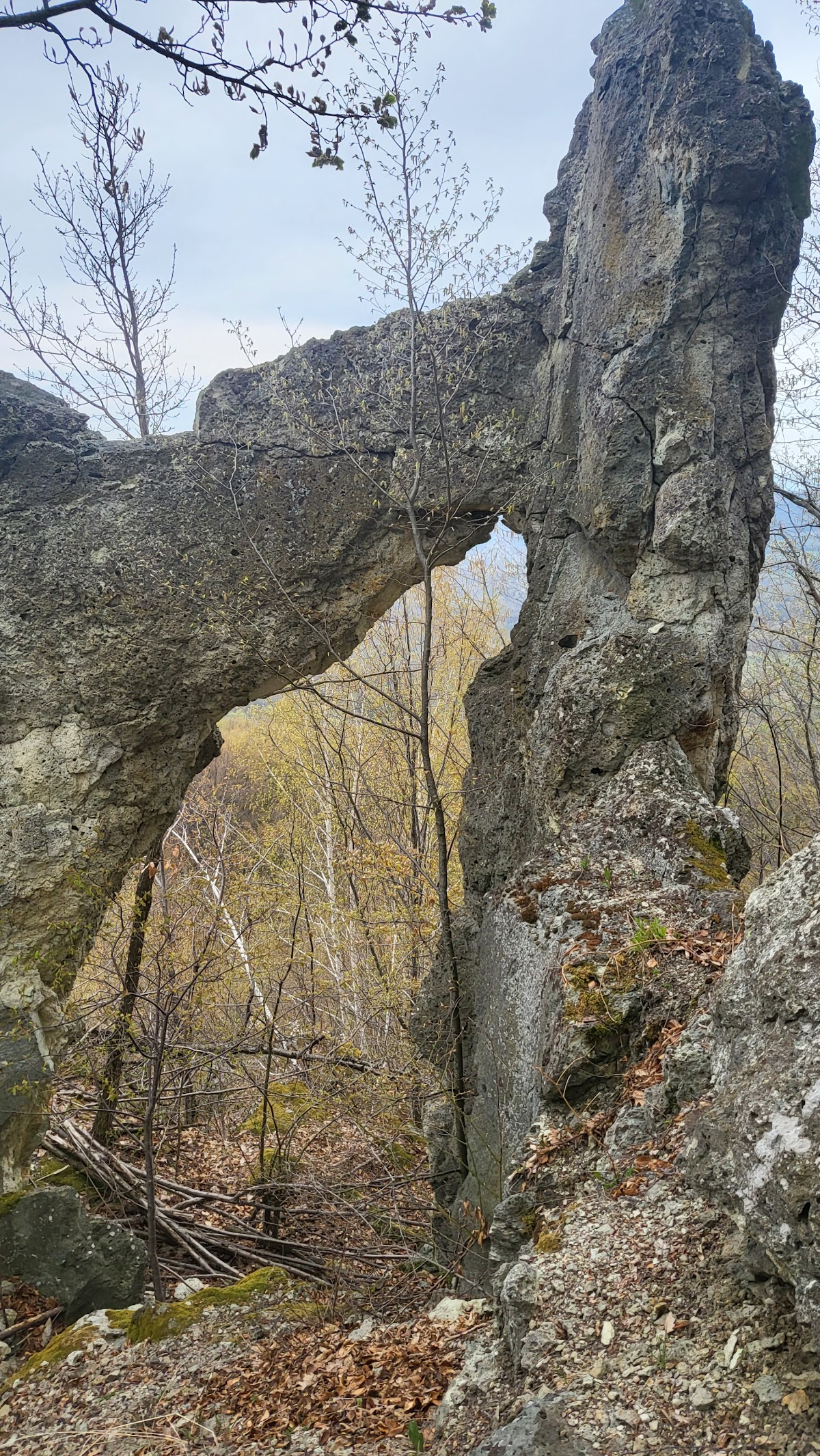
Cetatea Ciceului is a medieval fortress situated on a volcanic hill at an altitude of 683 m, near the locality of Ciceu-Mihăiești, Bistrița-Năsăud County, at the meeting point of the territories of the villages of Ciceu-Corabia, Ciceu-Giurgești and Dumbrăveni. The name of the fortress derives from the Hungarian word "csucs" (peak), a reference to its commanding position. The fortress was built at the end of the 13th century and the beginning of the 14th century as a strategic defensive stronghold, with its first documentary attestation dating from 1304. In the Middle Ages it formed part of the comitat of Solnocul Interior and was the centre of a vast feudal domain which, at its height, encompassed dozens of villages. Towards the end of the 15th century, the fortress and its domain passed into the possession of Moldavia: Ștefan cel Mare received Ciceul as a gift from King Matei Corvin, and Moldavian rule continued through to his nephew, Petru Rareș. The latter, removed from the throne of Moldavia following Sultan Suleiman the Magnificent's campaign of 1538, took refuge with his family at Ciceu, where he lived for approximately two years until he regained his reign; this period is associated with the legend of a treasure belonging to the princely family, hidden in one of the caves in the area. Having become a strategic risk for Transylvania in the context of Moldavian policy, the fortress was dismantled in 1544 on the orders of Gheorghe Martinuzzi, and its site was subsequently used as a source of building stone. Today, fragments of walls and foundations remain from the fortification, listed as a historical monument, set within a remarkable natural landscape of forests and rocky outcrops that affords a sweeping panorama over the Valea Someșului.
Comuna Ciceu-Mihăiești, județul Bistrița-Năsăud