
Attraction
The Danube Delta Ecotourism Museum Centre
The „Danube Delta" Ecotourism Museum Centre in Tulcea, inaugurated in 2009, is the foremost institution dedicated to the delta ecosystem in Romania. Spread across three levels, it features a permanent exhibition with dioramas of delta habitats, a mini botanical garden, and an aquarium holding 150 tonnes of water that houses 24 species of indigenous fish from the Danube Delta and the Black Sea, 23 species of reef fish, and 6 species of coral from Indonesia.
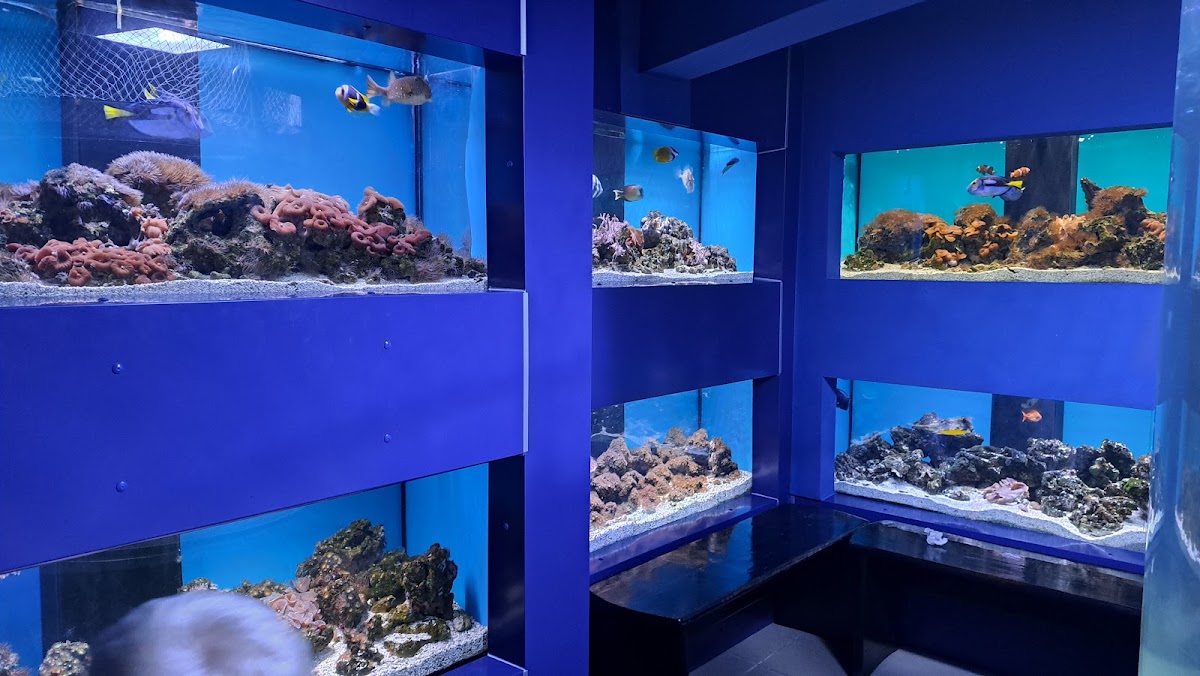
The „Danube Delta" Ecotourism Museum Centre in Tulcea is the principal cultural institution dedicated to the ecosystem of the Danube Delta Biosphere Reserve, operating within the „Gavrilă Simion" Eco-Museum Research Institute (ICEM) Tulcea, at 1 Strada 14 Noiembrie. It was inaugurated on 14 April 2009 through a Phare Romania–Ukraine cross-border cooperation project, on the site of the former Natural Sciences Museum established in 1964. The modern building is structured across three levels. The ground floor presents the genesis and evolution of the delta — the formation of the Danube's three branches, the sand ridges, lakes, and areas inhabited since prehistory — through information panels, interactive maps, and digital screens. Also on the ground floor are the ecosystem dioramas: detailed reproductions of habitats specific to the Danube Delta and Northern Dobrogea, featuring flora and fauna species in their natural environment. The upper floor houses a mini botanical garden, flora and fauna collections, traditional objects used by local delta communities, and a conference room. The basement level is occupied by the public aquarium, equipped with modern installations and a storage capacity of 150 tonnes of water, arranged in dozens of tanks housing 24 indigenous fish species from the Danube Delta and the Black Sea — catfish, pike, carp, sturgeon — alongside 23 species of reef fish, 8 species of marine invertebrates, and 6 species of coral brought from Indonesia. The scientific collections of ICEM, of which the centre forms a part, comprise over 13,000 Dobrogean botanical specimens, 21,000 entomological species, and palaeontology collections featuring ammonite and echinoderm fossils. A visit here is strongly recommended before any excursion into the delta, as it provides an understanding of the biological and hydrological structure of this unique ecosystem.
Strada Progresului 32 Tulcea judetul Tulcea