
Attraction
The Holy Trinity Cathedral of Blaj
The Holy Trinity Cathedral in Blaj is the most important Greek Catholic place of worship in Romania, built in the second half of the 18th century. It was erected during the episcopate of Bishop Petru Pavel Aaron and completed under Atanasie Rednic, according to plans that combine Western Baroque architecture with elements of Eastern spirituality.
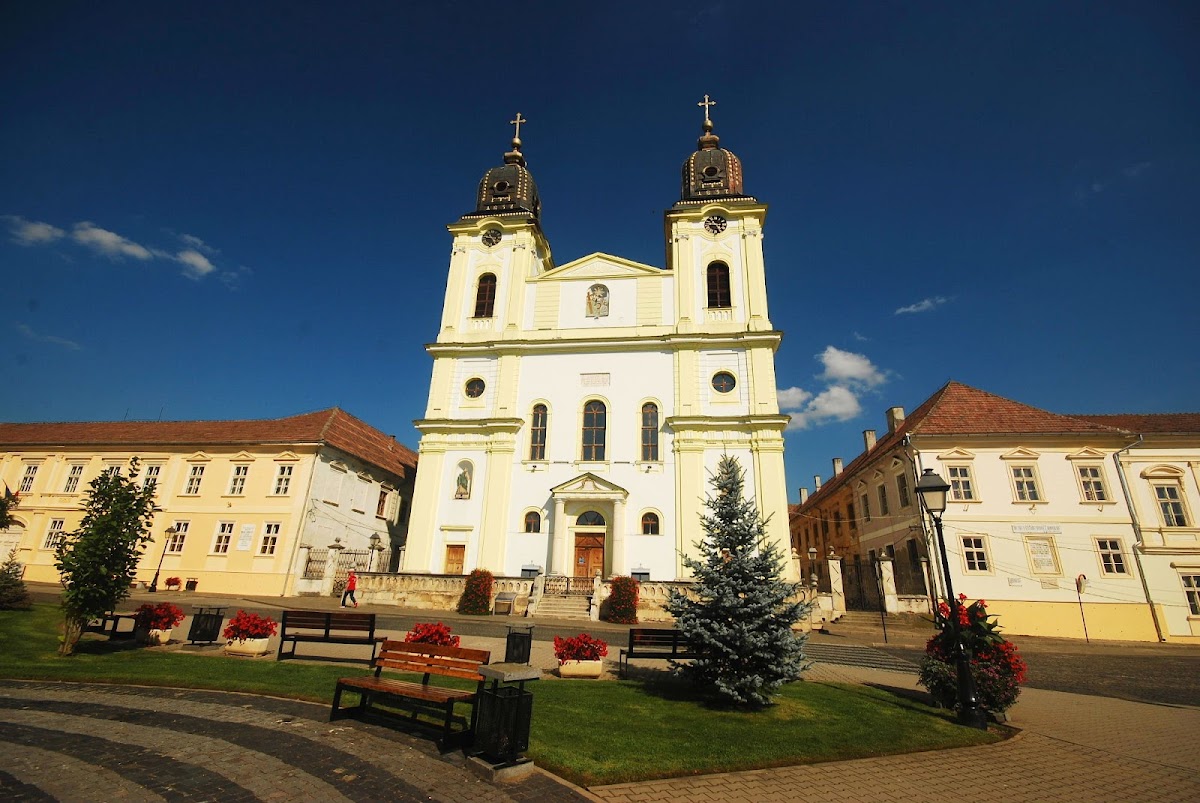
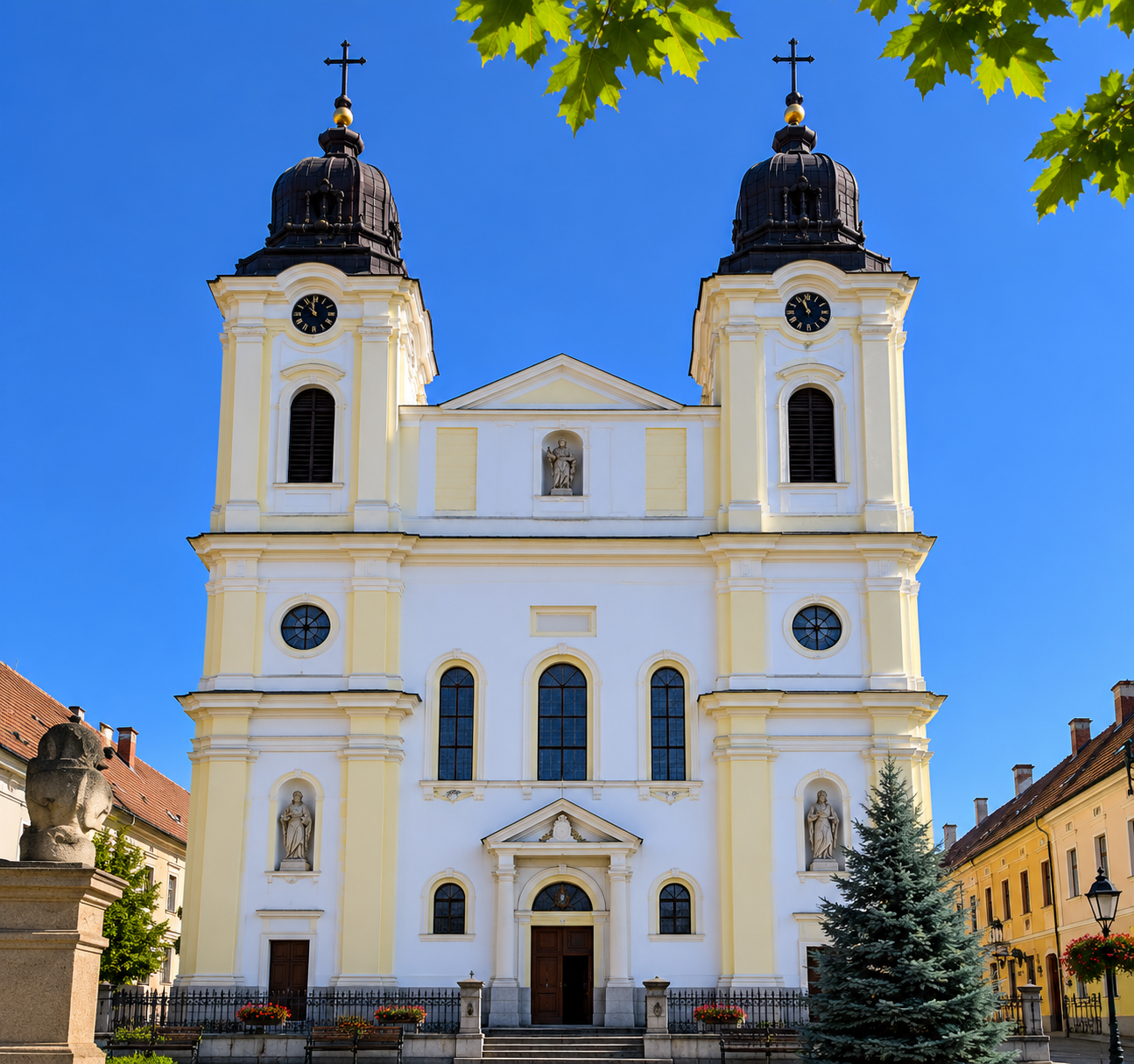
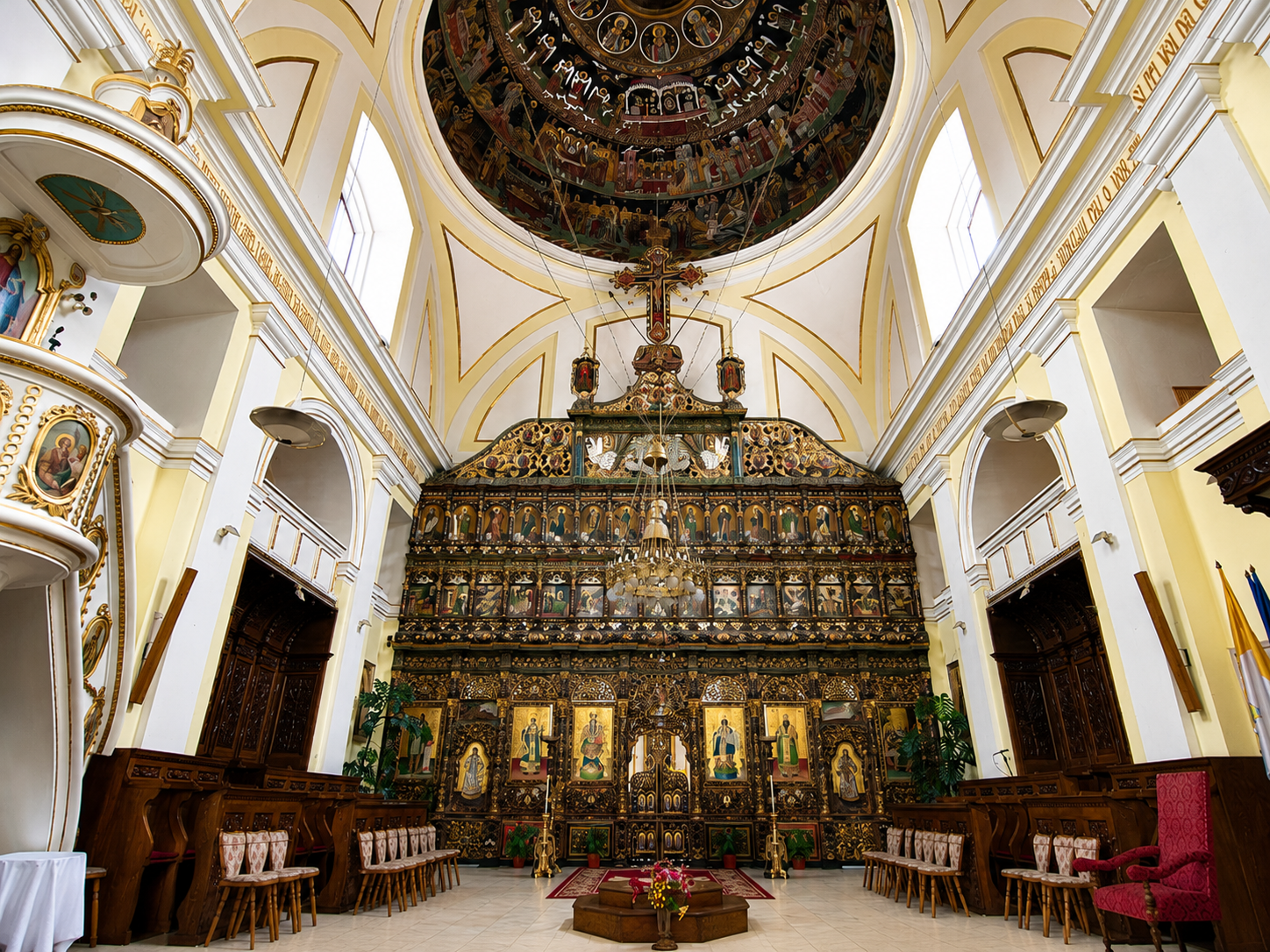
The Holy Trinity Cathedral in Blaj, Alba County, is the metropolitan cathedral of the Romanian Church United with Rome (Greek Catholic) and the most representative monument of this denomination in Romania. Construction began in the second half of the 18th century, during the episcopate of Bishop Petru Pavel Aaron, and was completed under Bishop Atanasie Rednic. Architecturally, the cathedral follows the Western Baroque model, featuring a sober façade, slender towers, and a richly decorated interior with paintings and a sculpted iconostasis. The cathedral's crypt houses the remains of prominent bishops of Blaj, lending the building the additional function of a necropolis for the Romanian Greek Catholic hierarchy. From a historical perspective, the cathedral witnessed decisive events — in 1848, the national assembly at Blaj included religious ceremonies held within this church. After 1948, when the Greek Catholic Church was banned by communist decree, the cathedral endured decades of restrictions and forced changes of purpose, before being returned to the Greek Catholic community after 1990. It is well worth visiting for its architectural and historical value, as well as for its central role in the cultural identity of Transylvanian Romanians.
Blaj judetul Alba