
Attraction
Martinuzzi Castle (Vințu de Jos)
Martinuzzi Castle, whose impressive ruins stand on the outskirts of Vințu de Jos, Alba County, along the Mureș Corridor, is considered one of the most valuable Renaissance monuments in Romania. Built in the 16th century on the foundations of an old Dominican monastery by Cardinal Gheorghe Martinuzzi, governor of Transylvania, the castle conceals a turbulent history, marked by famous assassinations and its passage through the hands of some of the most important figures of medieval Transylvania.
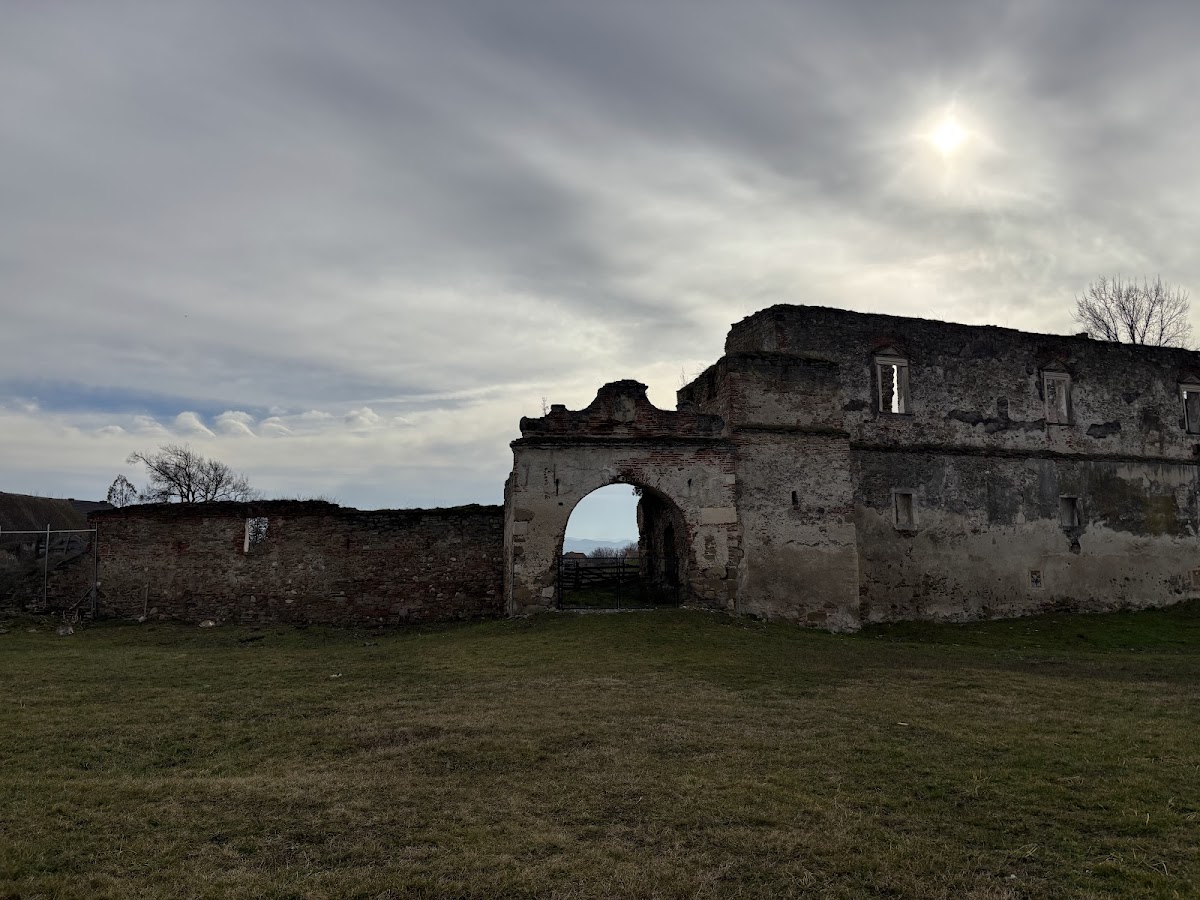
Martinuzzi Castle (also known as Alvinc Castle) is a medieval historical monument whose ruins are located in Vințu de Jos, Alba County, along the Mureș Corridor, at the south-eastern foothills of the Munții Metaliferi. Listed as a historical monument since 2010, it is considered one of the earliest and most influential examples of the Italian Renaissance style in Transylvania. The castle was built on the foundations of a Dominican monastery established around 1300 — the only Dominican monastery in Transylvania constructed outside a city. Monastic life, disrupted by the Ottoman raid of 1438, came to a definitive end at the beginning of the 16th century, and after the last monk was expelled, the estate was converted into a castle. Between 1546 and 1551, the building was reinforced and expanded in the Renaissance style by Cardinal Gheorghe Martinuzzi (Fra Gheorghe), one of the most influential political figures of the 16th century: governor of Transylvania, Bishop of Oradea and cardinal, who played an essential role in negotiations between the Habsburg and Ottoman Empires. Martinuzzi was assassinated in his own castle in December 1551. In the following decades, the castle passed through the hands of several noble families and princes, among them Gabriel Bethlen, who gave it its final hexagonal form. The site remained marked by a dark history: here Aron Vodă "cel Cumplit" ("the Terrible"), ruler of Moldavia, was imprisoned and poisoned (1597), and later the Italian architect brothers Genga were killed in the castle's dungeon (1601). Today, although in ruins, the castle walls still preserve visible Renaissance architectural details and features, making it one of the most celebrated and historically significant ruins in Transylvania.
Vintul de Jos judetul Alba limitrof Hunedoara