
Attraction
Caraorman Village
Caraorman is a village of Crișan commune, set on the sandy ridge of the same name between the Sulina and Sfântu Gheorghe branches, in the middle of the Danube Delta. It is reached by boat along the Caraorman canal from Crișan, and the official DDBRA trail to Caraorman Forest starts here. Around the village there are sand dunes and the ruins of a quartz sand works abandoned after 1989.
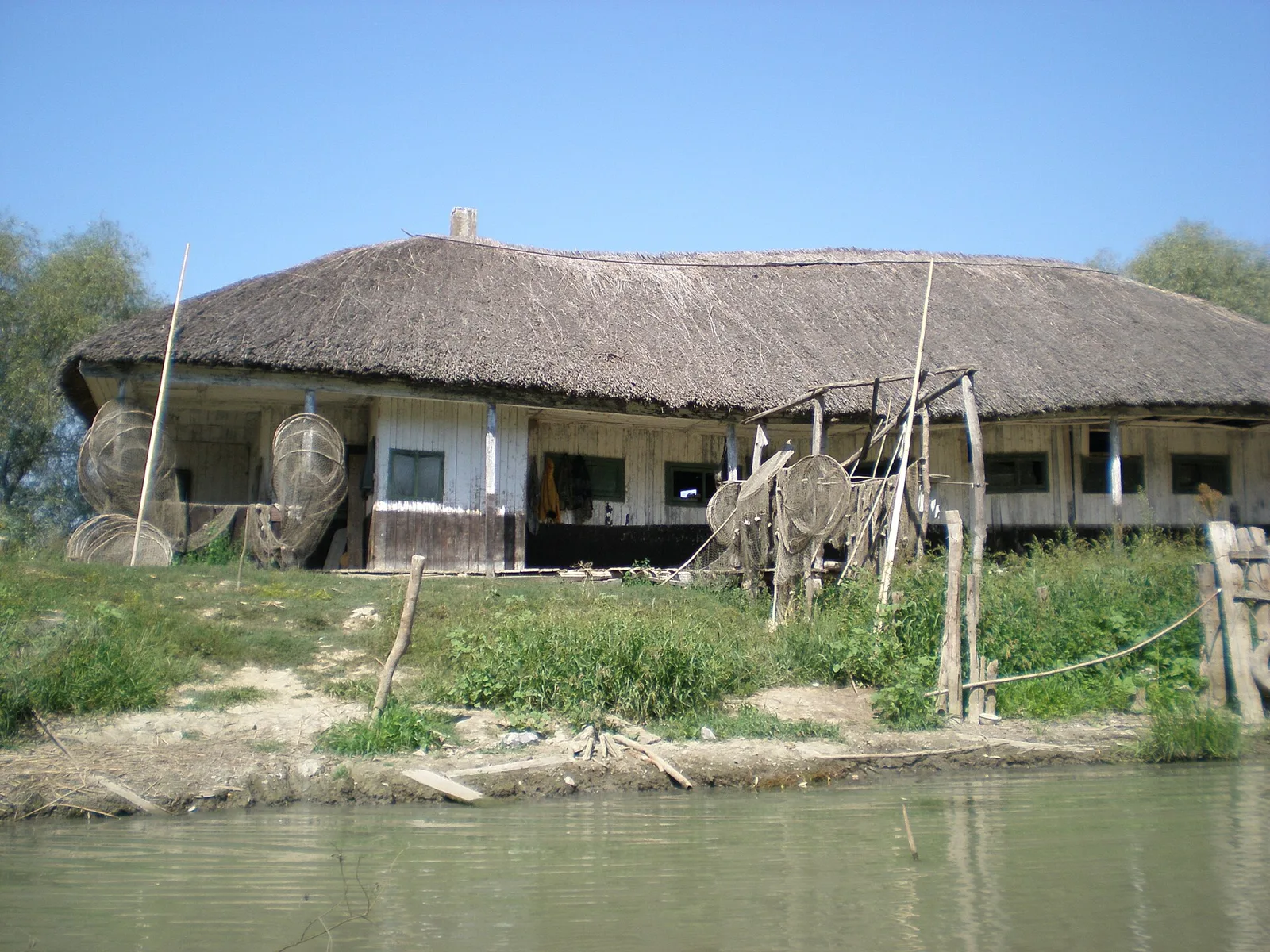
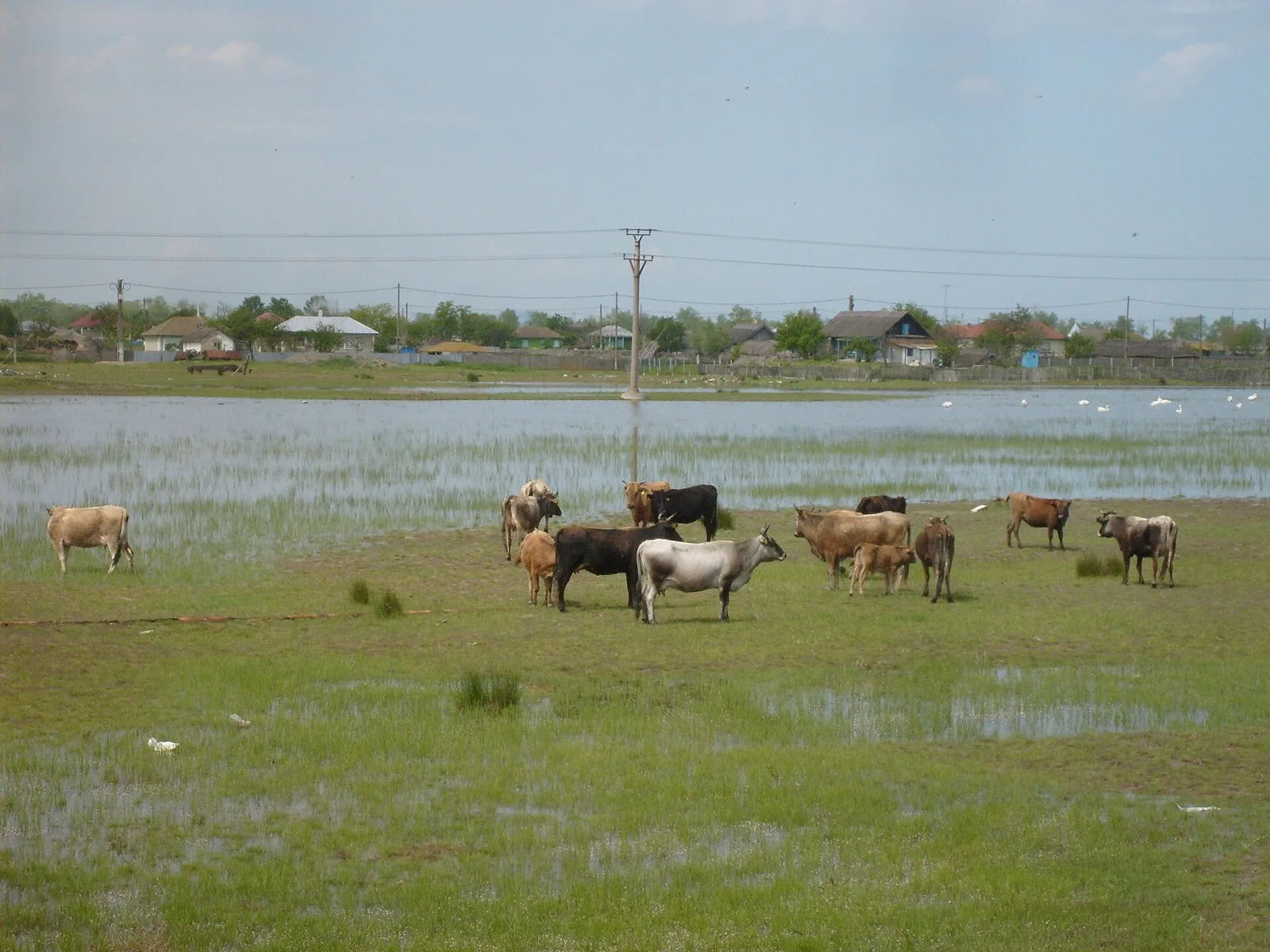
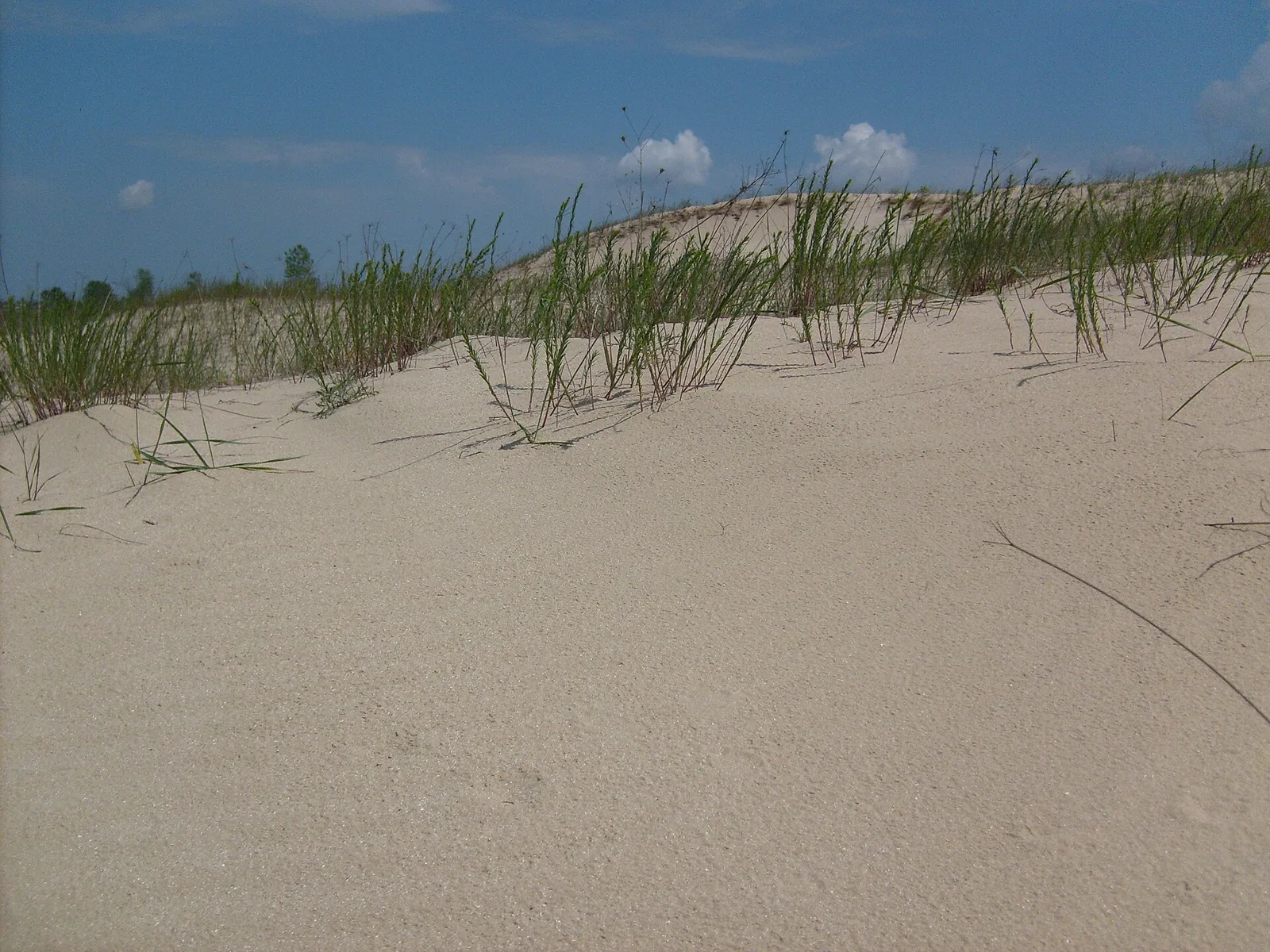
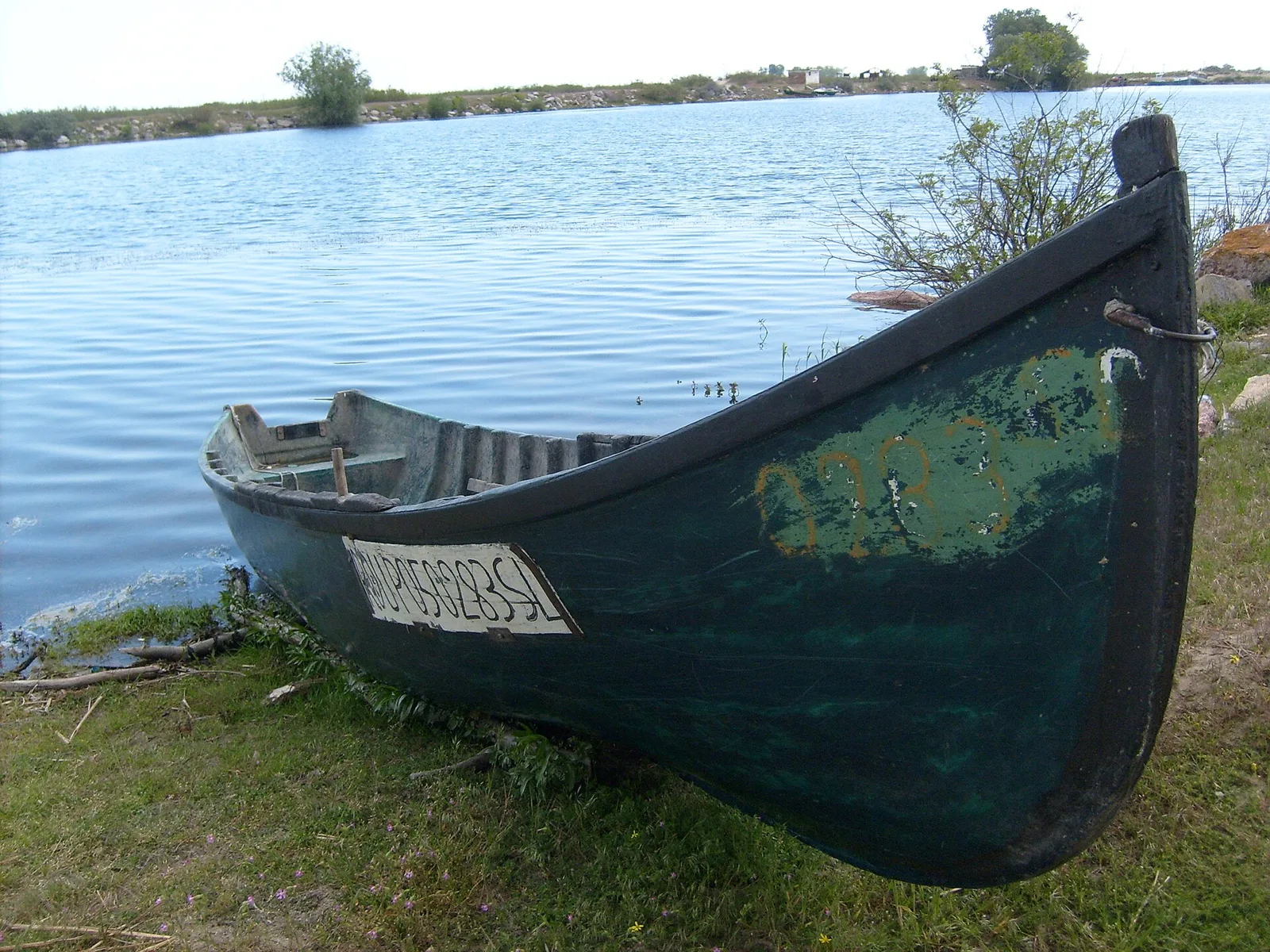
Foto: Leontin l, CC BY-SA 4.0, via Wikimedia Commons Galerie: Ben Skála, Benfoto, CC BY-SA 4.0, via Wikimedia Commons; Ben Skála, Benfoto, CC BY-SA 4.0, via Wikimedia Commons; Ben Skála, Benfoto, CC BY-SA 4.0, via Wikimedia Commons
Caraorman is a village of Crișan commune, Tulcea County, in the central-eastern part of the Danube Delta, on the Caraorman ridge between the Sulina branch (to the north) and the Sfântu Gheorghe branch (to the south). The name comes from Turkish (kara orman, "black forest"). The ridge, of fluvial-marine origin, is about 18 km long, up to 8 km wide and 7-9 m high, and the village stretches for about 3.5 km. At the 2021 census the village had 227 inhabitants, Romanians, Ukrainians and Lipovans, who live mainly from fishing.
The settlement appears on the Russian military map of 1828 as Kalasormani. According to sources quoted by Agerpres, it was founded in the early 18th century by Turks and Circassians; the present church, dedicated to Saint Demetrius, was built in 1875-1876. The ridge was also inhabited in antiquity: the List of Historic Monuments includes a Greek-Getic tumulus necropolis on the Ivancea ridge (TL-I-s-B-05755) and an early medieval settlement west of the village (TL-I-s-B-05756). Before 1989 an attempt was made at Caraorman to mine quartz sand (about 90.8% SiO2) for glassmaking and metallurgy, the only extraction of a solid mineral resource in the Delta; the works were abandoned after 1989, leaving six decaying apartment blocks and unfinished concrete silos and halls.
The village is reached by boat from Crișan along the Caraorman canal (about 14 km, roughly an hour and a half by local boat) or by the gravelled Crișan-Caraorman commune road, about 12 km long. Crișan is served by passenger ships from Tulcea and Sulina. The official DDBRA land trail D2 "Caraorman → Caraorman Forest" starts from the village and leads to the old oaks in the south of the forest, including the Kneeling Oak. The landscape around the village, with bare sand dunes, is unlike the rest of the Delta. Any visit to the Biosphere Reserve requires the access permit issued by the DDBRA; it can be bought online (ddbra.ro), by SMS, at SelfPay terminals or at the DDBRA information centres in Crișan, Sulina and Murighiol. Children, pupils, students and pensioners receive it free of charge. Camping is allowed only at authorised sites.
The village lies within the Danube Delta Biosphere Reserve (UNESCO site since 1991, Ramsar site), in the Natura 2000 sites ROSCI0065 Danube Delta and ROSPA0031 Danube Delta and Razim-Sinoie Complex. Caraorman Forest, next to the village, is one of the reserve's 20 strictly protected zones, where access is allowed only on the trail set by the DDBRA.
Did you know that Caraorman is the only place in the Danube Delta where the extraction of a solid mineral resource was attempted? The ridge's quartz sand could be used for glassmaking, but the project was abandoned right after 1989, and the unfinished buildings can still be seen next to the village.
Satul Caraorman, comuna Crișan, județul Tulcea