
Attraction
Câmpulung Muscel Historic Centre
Câmpulung Muscel, documented as early as 1300 and the first capital of Țara Românească, is a municipality located in the depression of the same name, at the foot of the Munții Muscel, Argeș County, approximately 50 km north of Pitești. The historic centre is home to notable monuments such as the Bărăția complex — which holds the oldest medieval epigraphic document in Țara Românească — and Mănăstirea Negru Vodă, the necropolis of the first Wallachian rulers. It was also here that Scrisoarea lui Neacșu din Câmpulung (1521), the oldest known document written in the Romanian language, was composed.
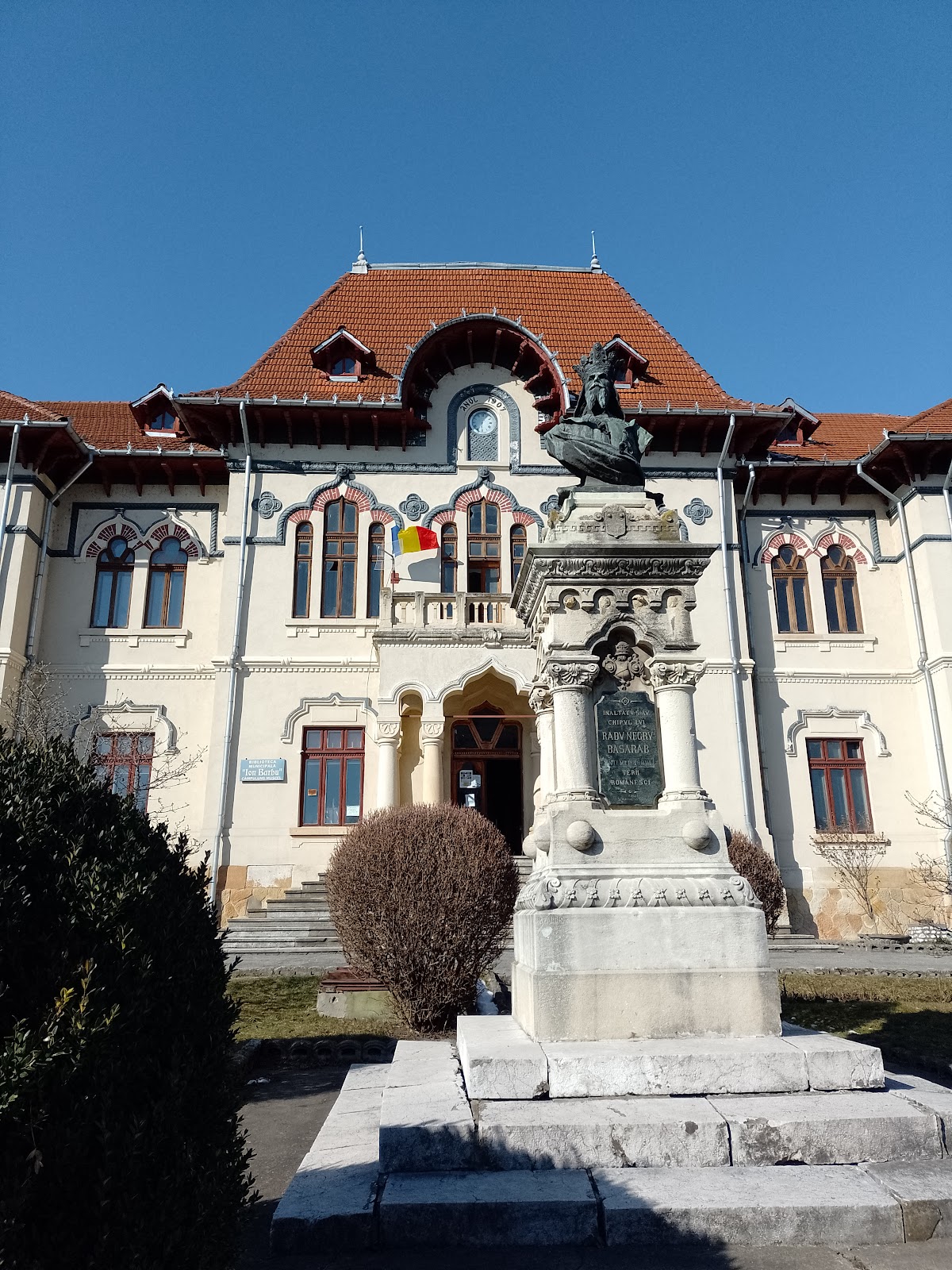
Câmpulung Muscel is one of the oldest cities in Țara Românească and its first medieval capital, situated in the depression of the same name, at the foot of the Munții Muscel, at an altitude of approximately 620 m, in Argeș County, 50 km north of Pitești. The earliest documentary record dates from 1300, through the Latin inscription on the funerary slab of Count Laurențiu de Longo Campo — "Hic sepultus est comes Laurencius de Longo-Campo, pie memoriae, anno Domini MCCC" — the oldest medieval epigraphic document in Țara Românească and the first written mention of the city. From 1330, following the victory at Posada against the Hungarian king Carol Robert, Basarab I established his princely residence at Câmpulung, and the city became the first capital of the independent state of Țara Românească for nearly four decades, until 1369, when the ruler Vladislav I Vlaicu moved the capital to Curtea de Argeș. The Bărăția complex, built by Franciscan monks who came from Transylvania, houses the church of "Sfântul Iacob" — the oldest building in the complex — and the funerary slab of Count Laurențiu. Mănăstirea Negru Vodă, founded at the beginning of the 13th century and rebuilt from the ground up by Matei Basarab following the devastating earthquake of 1628, houses the oldest funerary slab of a Romanian ruler. In 1521, Scrisoarea lui Neacșu din Câmpulung was written at Câmpulung — the oldest known document written in the Romanian language, in which the judge Neacșu Lupu informed Hans Brukner of Brașov about the movements of Ottoman forces. In 1642, the first book of moral and philosophical content in the Romanian language was printed in the Casa Domnească within the monastery's precinct. The city centre also includes the Municipal Museum, with collections of archaeology, ethnography and local art, and the Mausoleul de la Mateiaș, built in memory of the Romanian soldiers who fell in the First World War. The site is accessible via DN73 from Pitești or via DN73A from Brașov.
Campulung judetul Arges