
Attraction
Victoriei Avenue
Calea Victoriei is Bucharest's main historic axis, roughly 2.7-3 km long, dating back to 1692. Along its route stand landmark buildings such as the Royal Palace, the CEC Palace, and the Romanian Athenaeum, representing architectural styles from the 18th to the 20th centuries. It is the capital's most concentrated stretch of historic architecture, accessible on foot or by public transport.
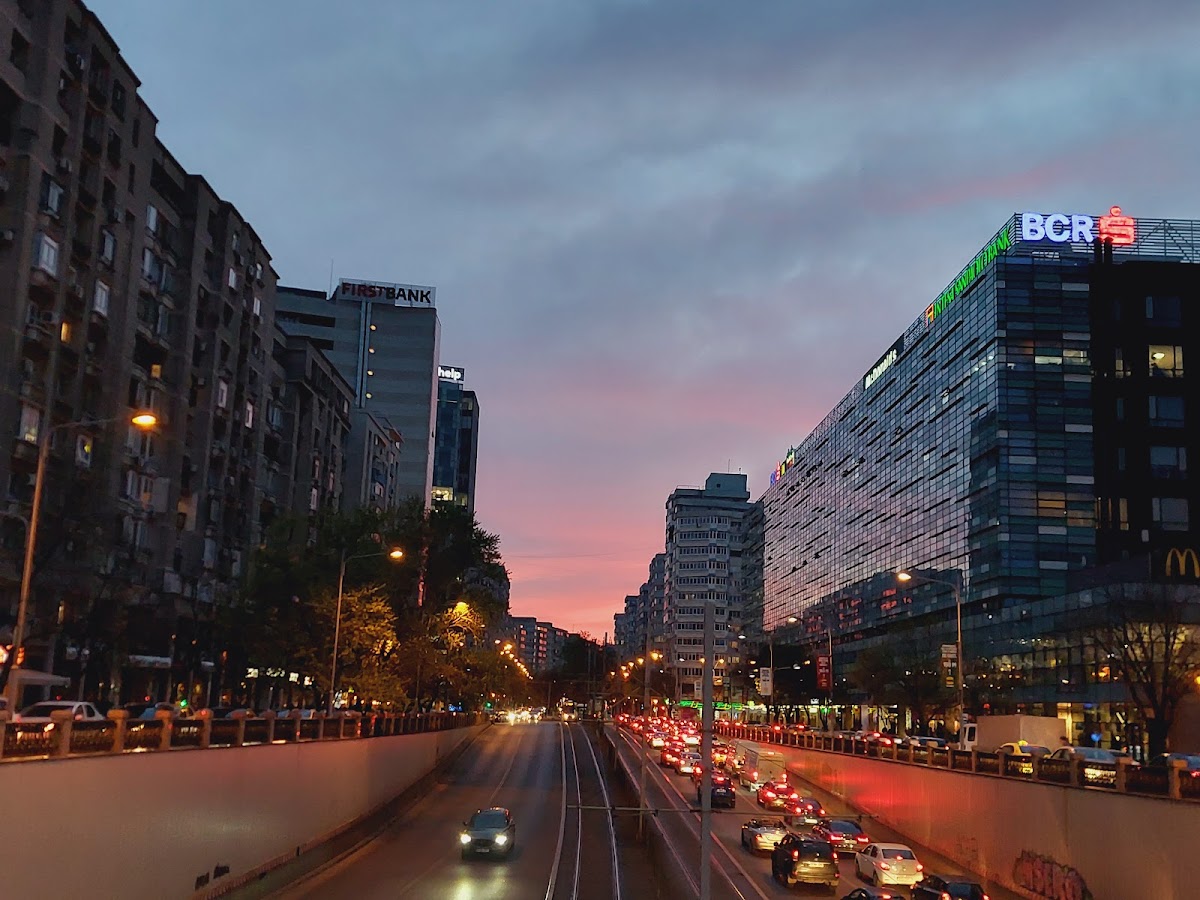
Calea Victoriei is one of Bucharest's oldest and most representative urban arteries, roughly 2.7-3 km long, running north to south, from Piața Victoriei to Splaiul Independenței. Originally called Ulița Mare or Podul Mogoșoaiei, the street was built in 1692 from tree trunks, on the orders of ruler Constantin Brâncoveanu, to link his princely residence to his estate at Mogoșoaia, where he would build his famous palace a decade later. The current name was adopted in 1878, after Romania's War of Independence, when Romanian troops made their triumphant entry into the capital along this street.
Along its length, Calea Victoriei concentrates a significant number of buildings of architectural and historical value: the Royal Palace (1812, later expanded, now home to the National Museum of Art of Romania), the National Museum of Romanian History (the former Post Office, 1900), the CEC Palace (1900), the National Military Circle (1912), the Athenee Palace Hotel (1914), and the Romanian Athenaeum (1888), the latter listed on UNESCO's tentative heritage list. The area also includes numerous museums, art galleries, and buildings representative of Neoclassical, Eclectic, and Neo-Romanian styles.
It is reached by public transport — bus, trolleybus, and metro to Piața Victoriei or Universitate stations — as well as on foot, since the street is partly pedestrianized. Calea Victoriei is worth visiting for its exceptional concentration of historic monuments across distinct architectural categories, walkable end to end in about two hours.
Calea Victoriei Bucuresti