
Attraction
Arch of Triumph
Bucharest's Arch of Triumph, completed in 1936 to a design by architect Petre Antonescu, stands 27 meters tall and is clad in Deva granite. The monument commemorates Romania's participation and victory in World War I and is decorated with bas-reliefs by leading Romanian sculptors of the interwar period. It is reached from Aviatorilor metro station, and its upper terrace offers a direct view of Kiseleff Avenue's urban axis.
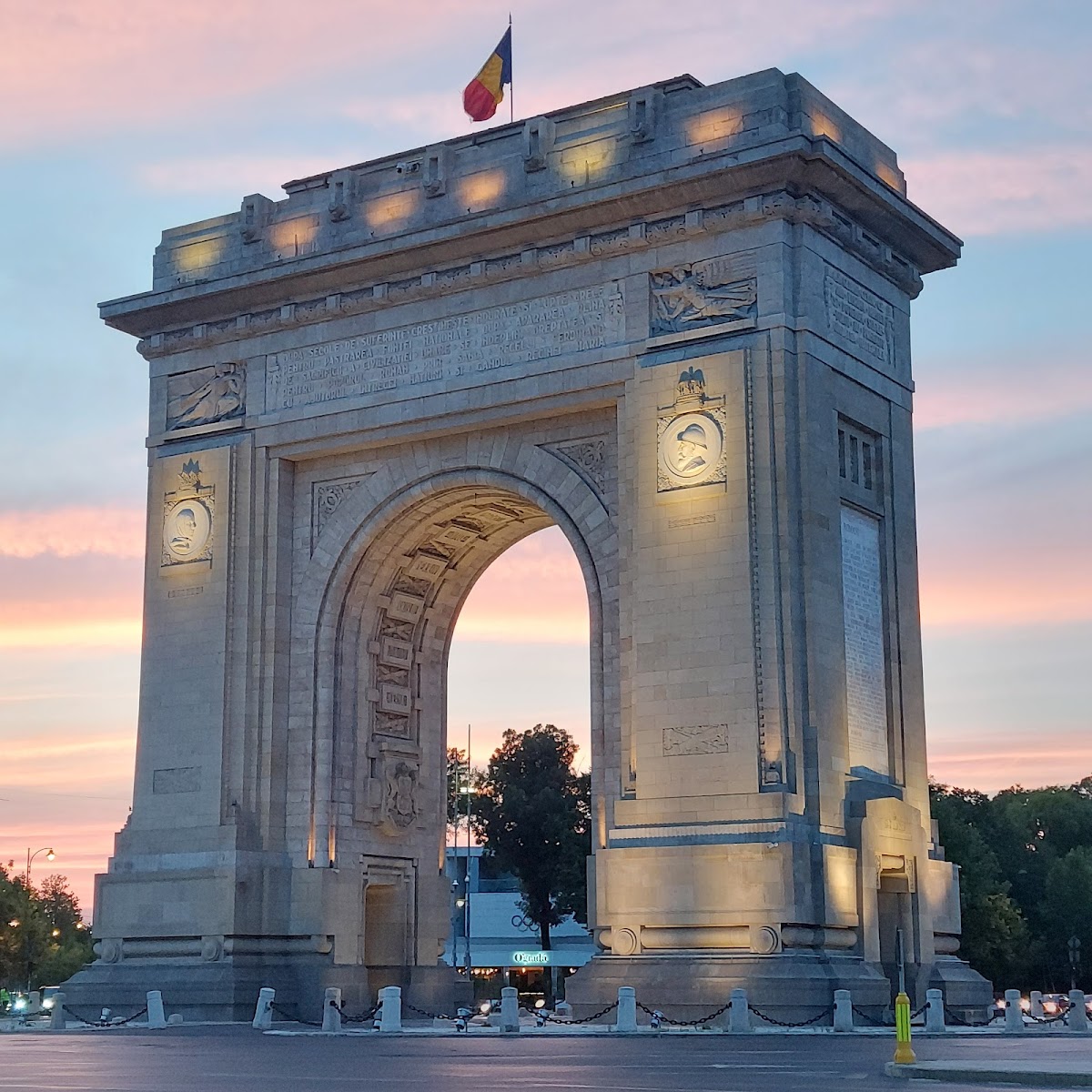
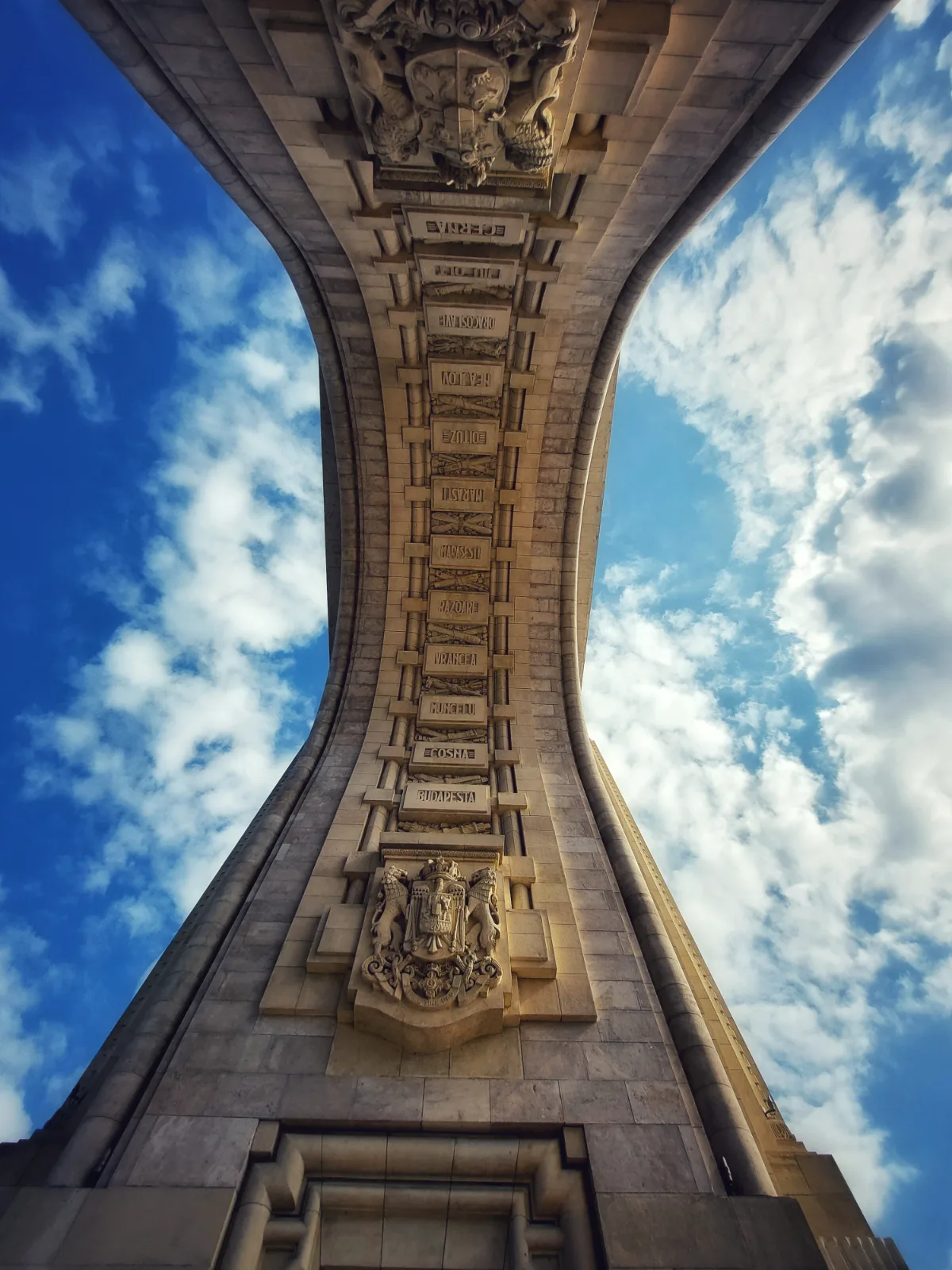
The Arch of Triumph is a monument standing in Arch of Triumph Square, on Kiseleff Avenue, in Bucharest's 1st district, at the junction with Constantin Prezan, Alexandru Averescu, and Alexandru Constantinescu boulevards. Its current form was completed between 1935 and 1936, to a design by architect Petre Antonescu, by reinforcing and re-cladding a provisional arch hastily built in 1921-1922 for the coronation of King Ferdinand I and Queen Marie at Alba Iulia. That first arch had only a reinforced-concrete skeleton, with the rest made of plaster, and it deteriorated quickly, becoming, by the 1930s, an embarrassment to Bucharest's image as "Little Paris."
The monument stands 27 meters tall, with a base of about 25 by 11.5 meters, while the inner archway measures 11 meters high and 9.5 meters wide. It is built of reinforced concrete clad in Deva granite, with exterior bas-reliefs carved in Rușchița marble. The 1935-1936 rebuilding was funded partly through public subscription — over 7 million lei donated by the public and war veterans' associations — and took a year and a half, under the technical supervision of architect Victor G. Ștefănescu.
The facades are decorated with bas-reliefs by major Romanian sculptors of the era, including Ion Jalea, Cornel Medrea, Mac Constantinescu, Constantin Baraschi, and Alexandru Călinescu, with contributions from ten Italian sculptors. The arch was inaugurated on 1 December 1936, on Transylvania's Union Day, in the presence of King Carol II and Queen Marie. During the communist era, the monument was "mutilated" by the removal of the royal effigies from its facade, later restored in 2012. Inside the monument's legs, 328 steps (164 per leg) lead up to the upper terrace. The arch underwent a full renovation between 2014 and 2016.
It is reached from Aviatorilor metro station, and its upper terrace offers a direct view of Kiseleff Avenue's urban axis. The arch is generally open to the public on weekends and during national events. Worth visiting for its well-documented historical value, the quality of its facade sculptures, and its direct perspective on Bucharest's interwar architecture.
Piata Arcul de Triumf Bucuresti